Ensuring
Excellence
in Every Material
July 02, 2026
🔬 Corrosion Testing: Ensuring Excellence in Every Material
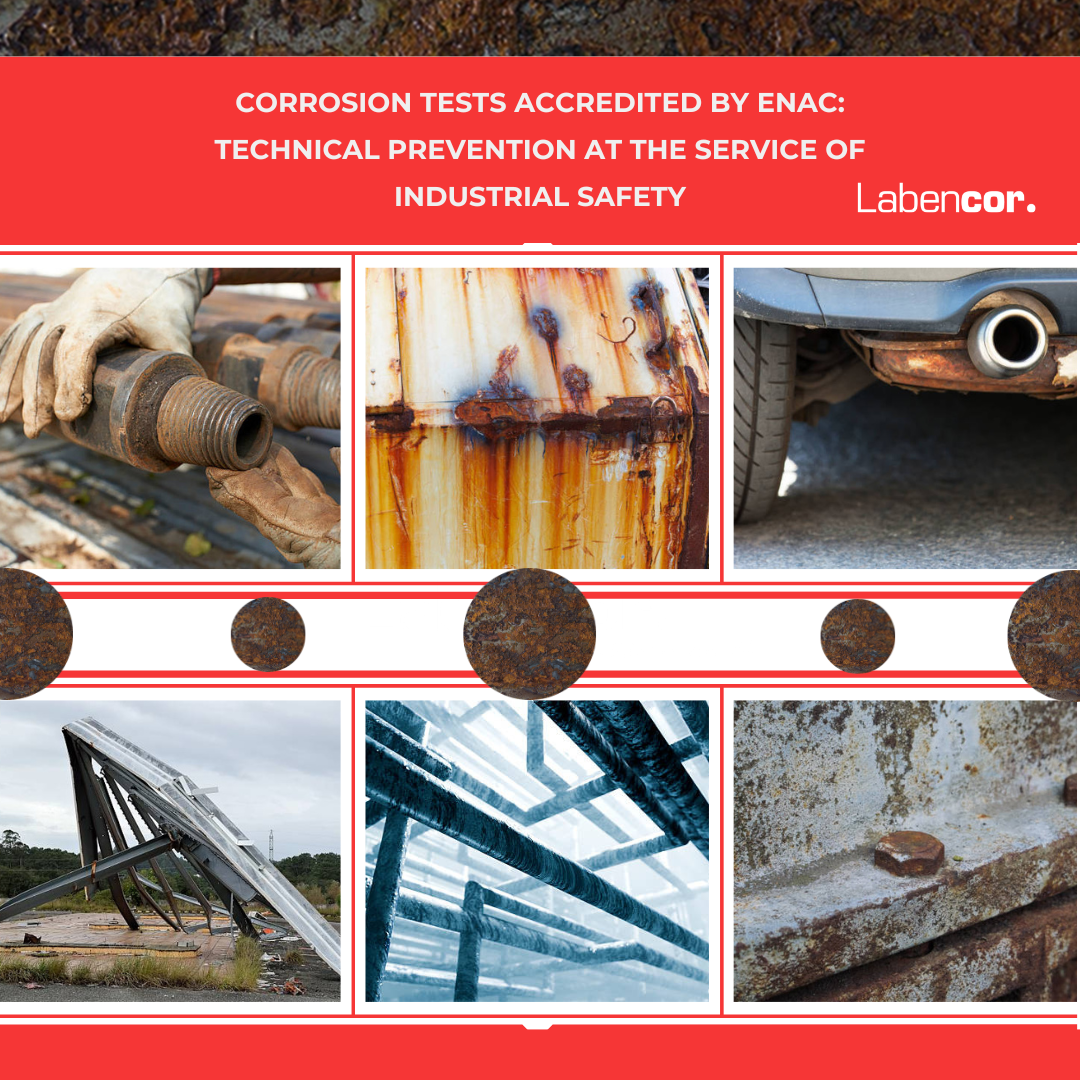
Corrosion and accelerated aging tests have become essential tools for ensuring the reliability of materials, coatings, and industrial components in increasingly demanding sectors.
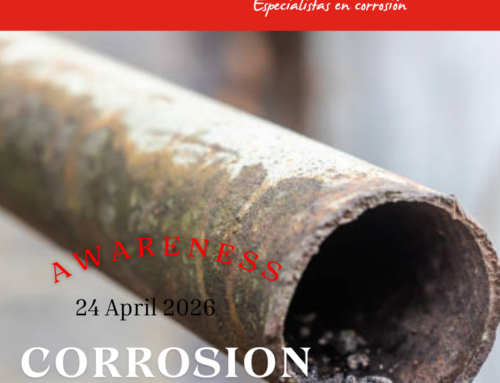
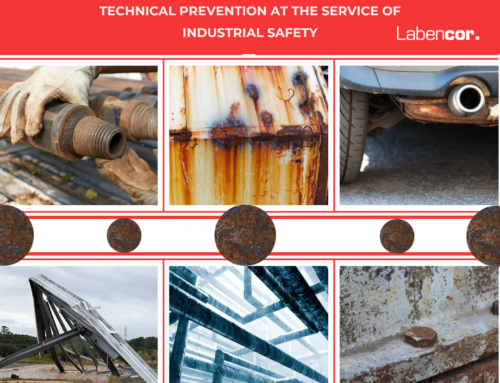
Corrosion remains one of the greatest technical challenges facing modern industry. Sectors such as automotive, aerospace, construction, railway, renewable energy, and electronics manufacturing increasingly rely on protection systems capable of withstanding aggressive environments over long periods of time.
In this context, corrosion testing has become a strategic tool for assessing the durability of materials, coatings, and components before they are put into service. Thanks to climatic chambers, cyclic testing systems, and accelerated aging methodologies, specialized laboratories can reproduce in just a few days or weeks the effects that products would experience after years of real-world exposure.
CLIMATIC HUMIDITY AND TEMPERATURE TESTING
Climatic tests make it possible to study how variations in temperature and humidity affect the behavior of materials and components.
Their objective is to reproduce, under laboratory conditions, both normal and extreme temperature and humidity environments to which materials, coatings, parts, and components may be exposed, in order to determine their performance and resistance.
HUMIDITY AND CONDENSATION TESTING
Humidity is one of the most critical factors in material degradation, particularly for paints, technical polymers, and electronic systems.
- UNE-EN ISO 6270-2
- UNE-EN ISO 6270-1
- Customer-specific automotive and other industry standards
These tests make it possible to evaluate underfilm corrosion, blistering, delamination, and the degradation of protective layers.
SALT SPRAY TESTING
Salt spray testing remains an international benchmark for evaluating the corrosion resistance of coated or treated metal surfaces.
- UNE-EN ISO 9227
- GMW 3286
- UNE-EN IEC 60068-2-11
- …
Neutral salt spray testing is particularly applicable to metals and their alloys, metallic coatings (anodic and cathodic), conversion coatings, anodic oxide coatings, and organic coatings applied to metallic substrates.
MORE SEVERE TESTS: AASS AND CASS
Acetic Acid Salt Spray (AASS) and Copper-Accelerated Acetic Acid Salt Spray (CASS) tests significantly accelerate corrosion processes, enabling the early detection of defects in decorative coatings and high-performance multilayer systems with stringent aesthetic and functional requirements.
These methodologies are especially used for automotive components and parts subject to demanding surface resistance requirements.
KESTERNICH TEST
The Kesternich test reproduces industrial atmospheres contaminated with sulfur dioxide (SO₂), one of the main agents responsible for corrosion in urban and industrial environments.
- UNE-EN ISO 22479 (replaces UNE-EN ISO 6988, UNE-EN ISO 3231, DIN 50018)
The sulfur dioxide condensation test consists of exposing specimens to humid air containing sulfur dioxide, which rapidly produces easily detectable corrosion on many metals in a manner similar to that occurring in industrial atmospheres.
CYCLIC CORROSION TESTING
Cyclic corrosion tests are designed to recreate and accelerate a variety of corrosive climates within a single piece of equipment (salt spray, humidity condensation, air drying, and controlled humidity). These tests are highly useful for predicting the service life of materials and components and for comparatively evaluating different anticorrosive protective coatings.
Volkswagen Standards
- PV 1210
- PV 1209
- PV 1200
- PV 2005
Mercedes-Benz Standards
- UNE-EN ISO 11997-1 Cycle B (formerly VDA 621-415)
- UNE-EN ISO 11997-3 (replaces DIN 55635)
- VDA 233-102
- …
STONE CHIP IMPACT TEST
The stone chip impact test, performed in accordance with UNE-EN ISO 20567-1, evaluates the resistance of paints and coatings against gravel impact and particles projected during the actual operation of vehicles and machinery.
RELIABILITY AS A COMPETITIVE ADVANTAGE
Increasing regulatory requirements and the need to extend product service life are driving the continuous evolution of corrosion testing.
Manufacturers are no longer focused solely on complying with international standards; they also seek to accurately predict the real-world performance of materials and coatings throughout years of service.
In an industrial landscape shaped by sustainability, electrification, and maintenance cost reduction, these methodologies have become indispensable tools for developing safer, more durable, and more competitive products.
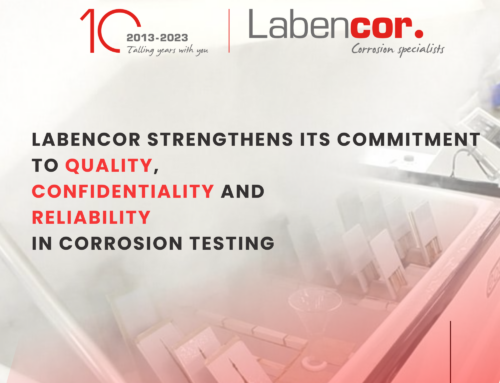
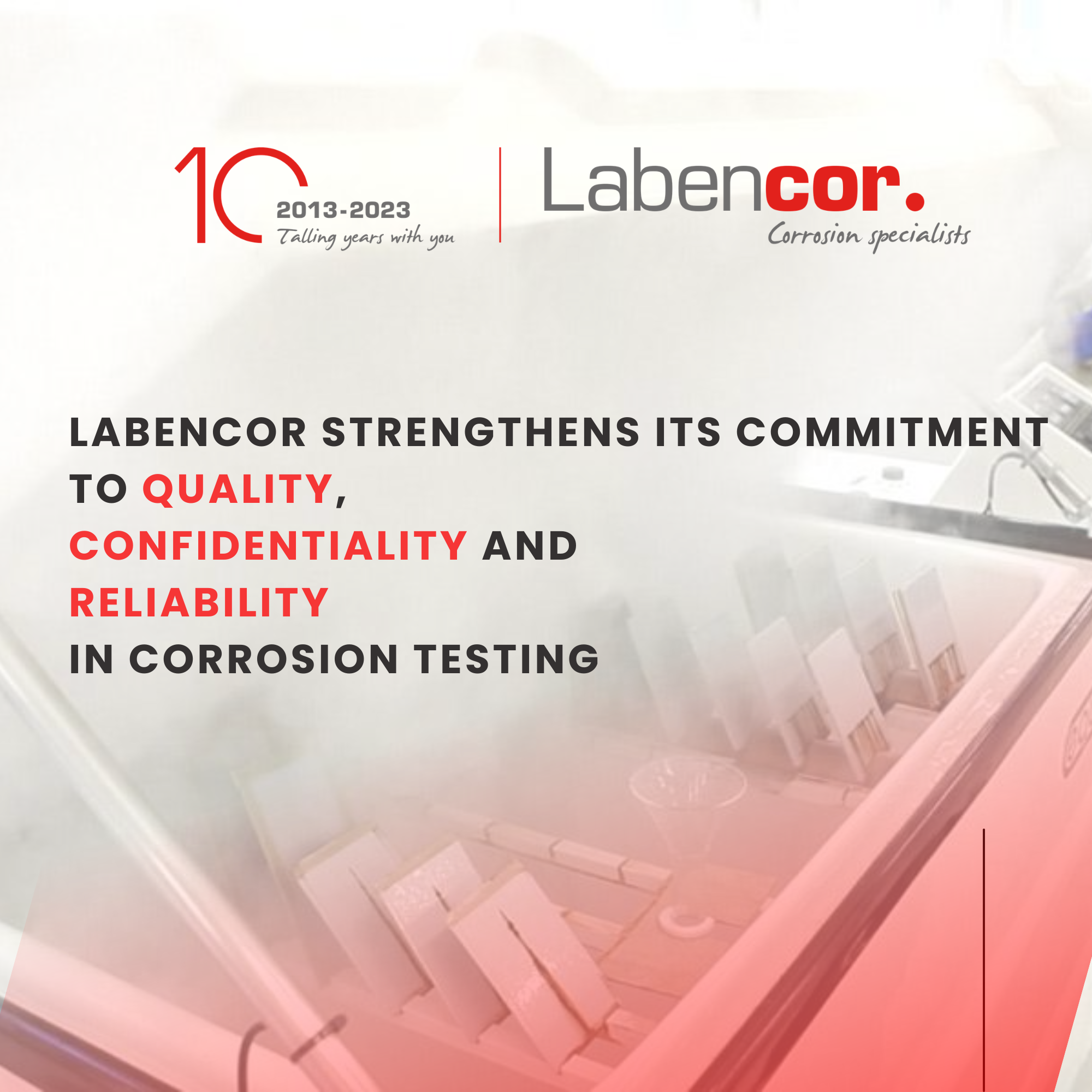
Labencor, a corrosion testing laboratory accredited by ENAC, continues to expand the scope of its accredited services in accordance with UNE-EN ISO/IEC 17025, strengthening its position as one of Spain’s leading corrosion testing laboratories and meeting the needs of highly demanding sectors such as automotive, aerospace, railway, construction, and renewable energy.
Its ongoing commitment to technical innovation and continuous improvement has enabled Labencor to enhance its operational capabilities, with the goal of providing precise, traceable results tailored to the specific requirements of each client.
Labencor reaffirms its commitment to quality, technical excellence, and support for industrial competitiveness, positioning itself as a strategic partner for companies seeking to guarantee the performance and durability of their materials in highly corrosive environments.